- Home
- Succulents
- Zephyranthes
- Zephyranthes rosea
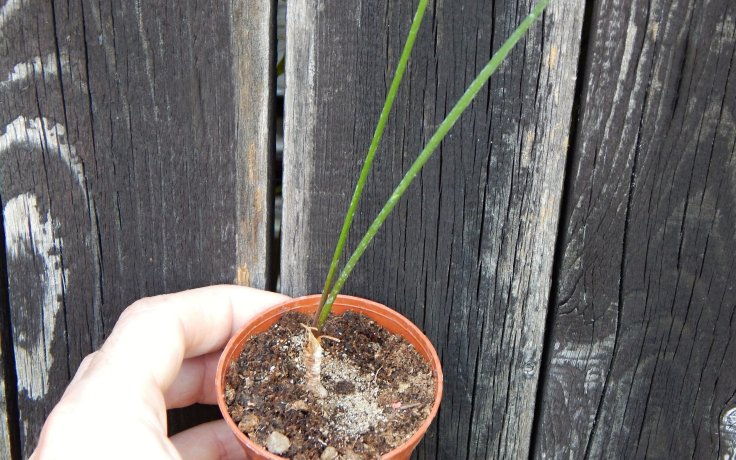
Zephyranthes rosea
The plant likes sunny locations, but can also tolerate partial shade.
Water the plant in the pot after the substrate has dried out. Only during the growing season.
The plant is not fully frost-resistant.
The genus Zephyranthes currently comprises 191 species, originally from the New World, with some spreading to the Eastern Hemisphere.
Zephyranthes rosea is native to South America, probably originating from the Andean regions of Colombia or the Amazonian areas of Peru. Today it is widely cultivated as an ornamental plant in many parts of the world and can locally naturalize. It has been reported from the Greater and Lesser Antilles, Florida, and India. In its natural habitat it grows along forest margins, in shrubby vegetation, and often near gardens and human settlements.
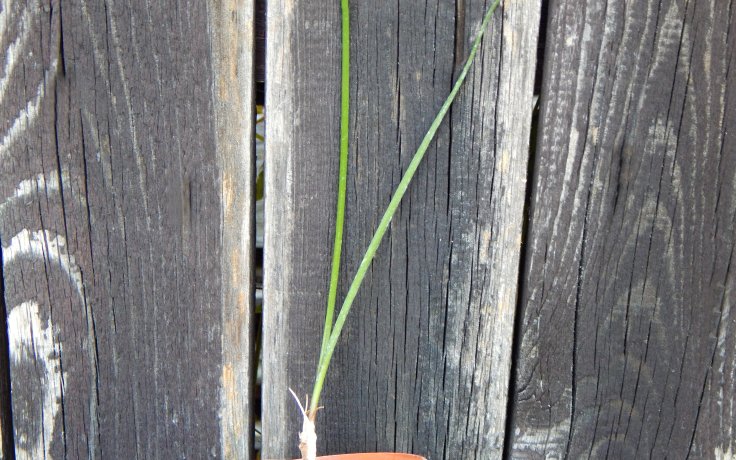
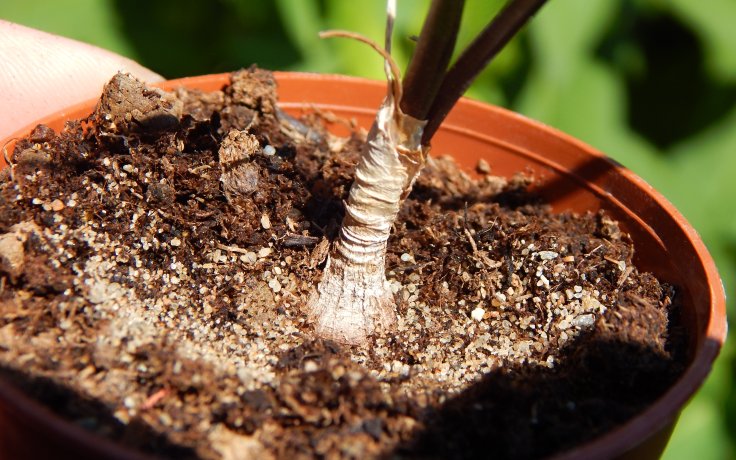
It is a bulbous perennial with an ovoid to nearly spherical bulb reaching up to about 25 mm in diameter. The plant usually produces 5–6 basal leaves that are linear, narrow, slightly fleshy, and hairless. The leaves can grow up to approximately 12 cm long and only 2–4 mm wide.
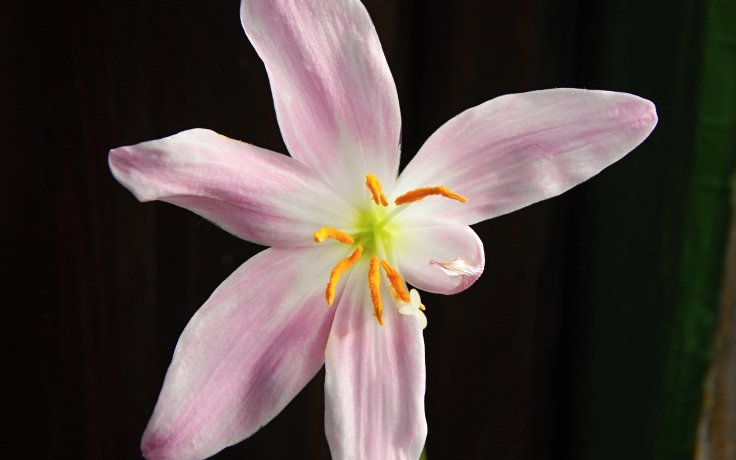
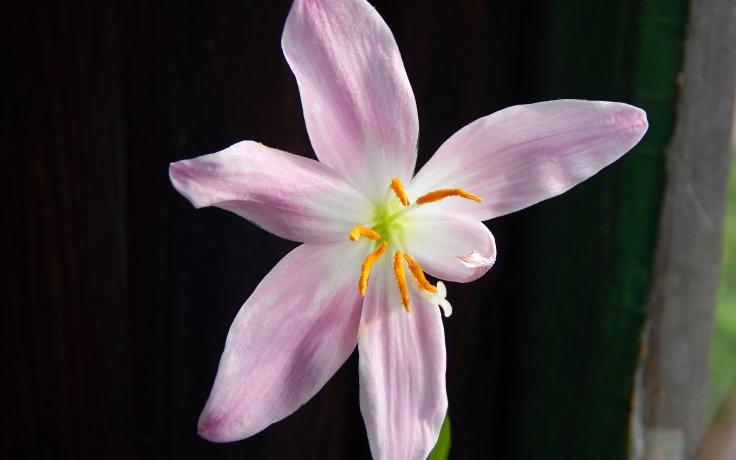
Flowering occurs in late summer and autumn. A single flower is borne on an upright scape about 10–15 cm tall. The flowers are pink, around 35 mm long and 25 mm wide. They have six unequal stamens that are shorter than the style, with a three-lobed stigma. The fruit is a capsule.
Zephyranthes rosea is suitable for rock gardens, window boxes, shallow bowls, and garden beds, and it also grows well in containers. Bulbs are planted outdoors in spring, usually in April, about 4 cm deep in a sunny position. For winter, the bulbs must be lifted and stored in a cool, dark, and dry place. It is an easy-to-grow bulb that rewards suitable conditions with reliable flowering.