- Home
- Succulents
- Senecio
- Senecio angulatus (Cape Ivy)
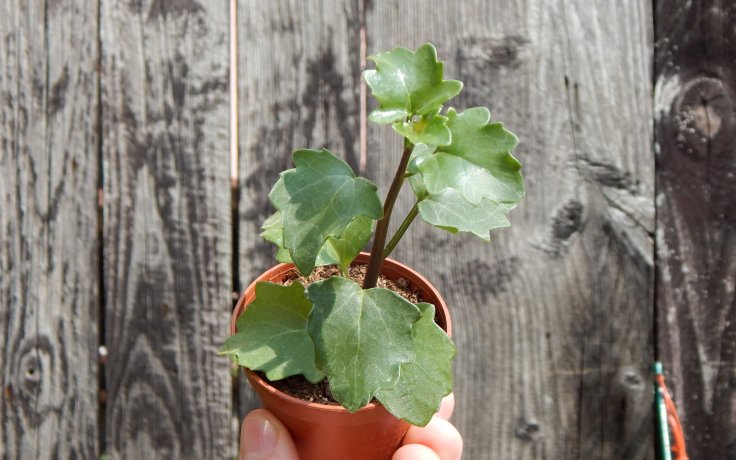
Senecio angulatus (Cape Ivy)
The plant likes sunny locations, but can also tolerate partial shade.
Always water a few days after the substrate has dried out. Reduce watering in winter.
It can withstand temperatures down to -6.7 °C for short periods. However, the plant is not frost-resistant.
This climbing plant produces beautiful yellow flowers that stand out in autumn.
Senecio angulatus, also listed as Senecio macropodus, originates from South Africa, in the provinces of Eastern Cape and Western Cape. It grows naturally in shrubland vegetation and on coastal cliffs. Outside its native range, it has been introduced to the Mediterranean parts of southern Europe, the Canary Islands, Australia, and New Zealand, where it is mainly found near human settlements. In horticulture it is known by the common names Climbing Groundsel, Cape Ivy, and Garden Senecio.
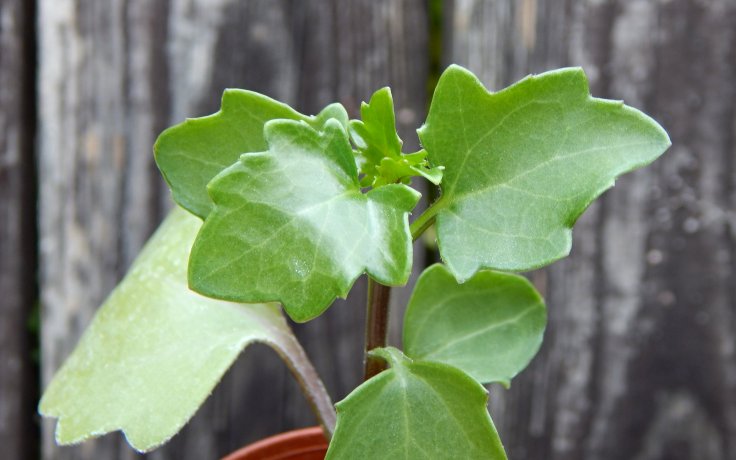
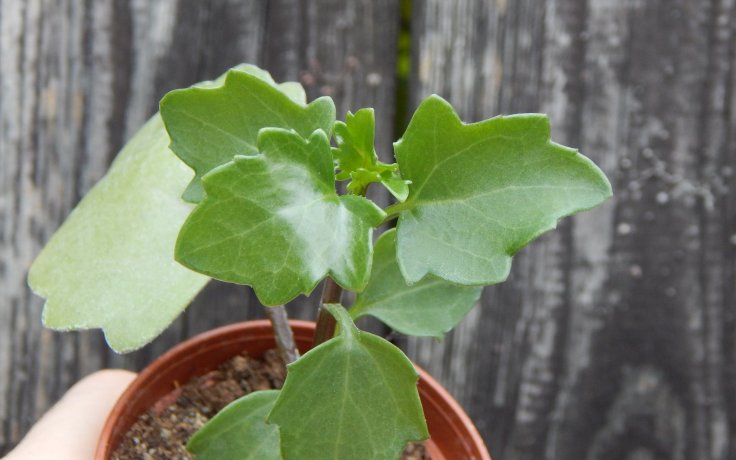
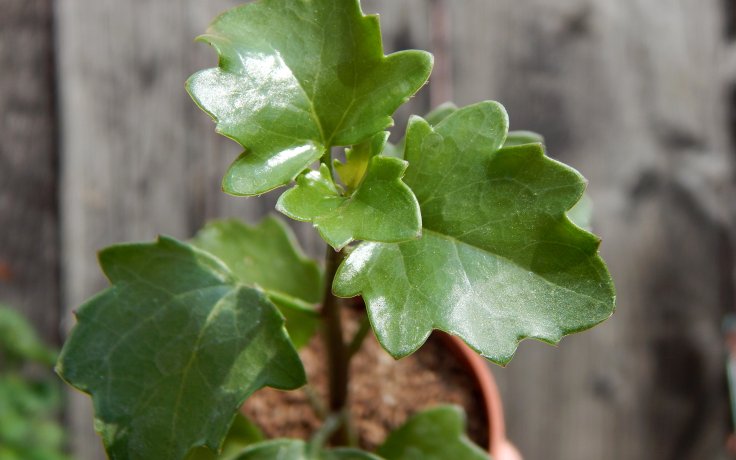
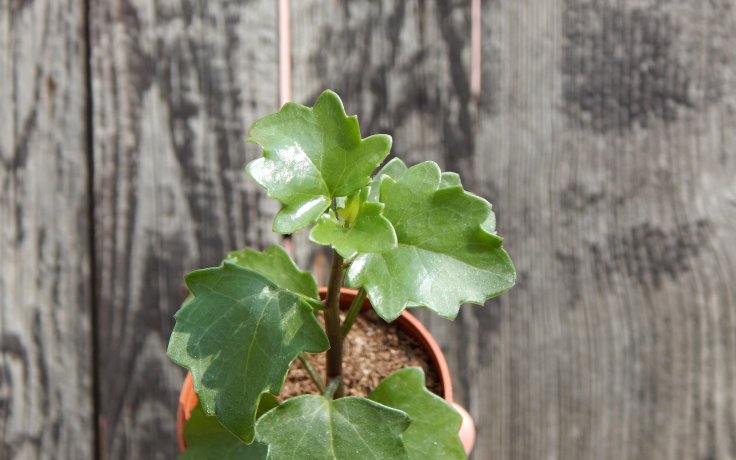
The leaves are thick but soft, glossy green, and arranged alternately along the stems. The margins are toothed, usually with 1 to 3 teeth on each side. The plant forms a dense, tangled shrub or behaves as a climbing species. In the ground it can reach about 2 m as a bush, and with support it may grow up to around 6 m, while in pots it usually remains smaller.
The flowers are bright yellow, daisy-like, and appear in clusters at the ends of the stems. Flowering occurs mainly in late autumn and winter, making the plant especially noticeable during a season when many other species are dormant.
It grows best in a bright position with well-draining soil. After watering, excess moisture should be able to drain away so that water does not remain around the roots for long periods. Overgrown shoots can be shortened easily, which helps rejuvenate the plant and keep it within a manageable size. Senecio angulatus is an interesting choice with striking yellow flowers outside the main flowering season and is well worth adding to the selection.