- Home
- Succulents
- Euphorbia
- Euphorbia umbellata variegata
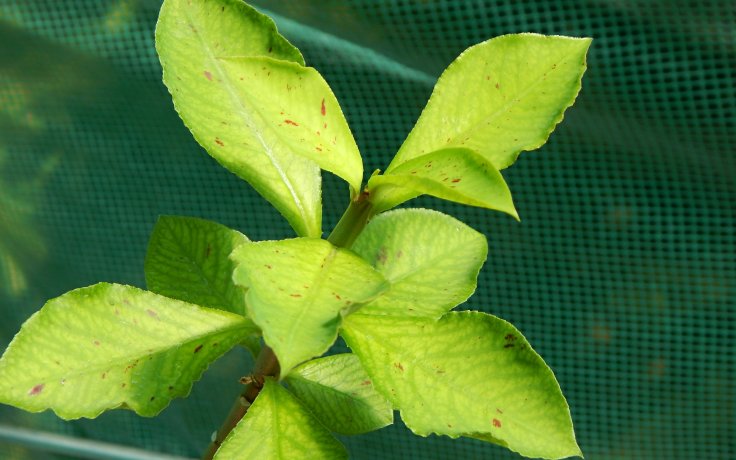
Euphorbia umbellata variegata
Place the succulent in a sunny or semi-shaded location. It is not demanding in terms of light.
Water regularly, always a few days after the substrate has dried out.
The plant is not frost-resistant.
Sometimes the leaves fall off — this is normal, and the plant will sprout again in the spring.
Euphorbia umbellata variegata is a variegated form of Euphorbia umbellata, also known under the older name Synadenium grantii and commonly referred to as African Milk Bush. It originates from regions around the Zambezi River valley, mainly in Malawi, western Kenya, and Uganda, and has since spread to other tropical and subtropical areas. In nature, it grows on rocky slopes, often on granitic substrates, in forests and near rivers at elevations of approximately 500–2,100 m.
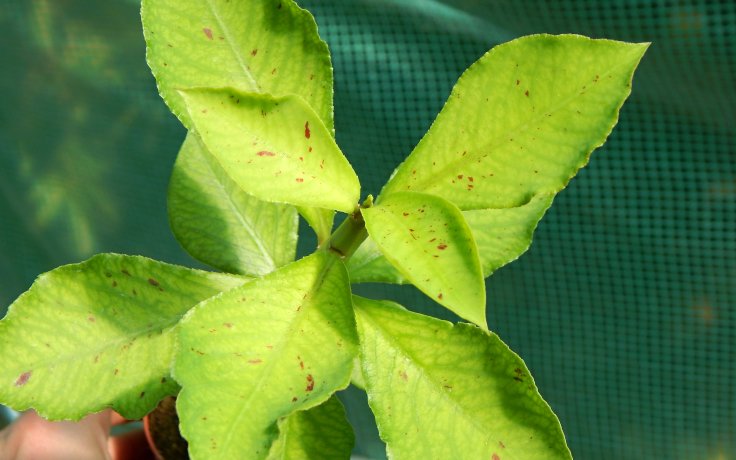
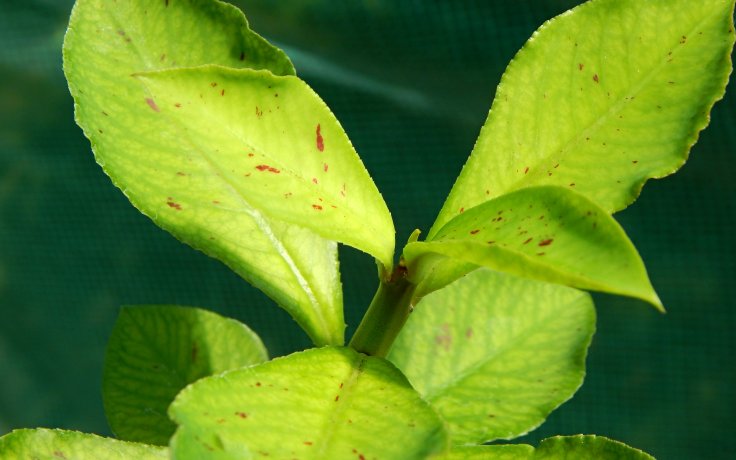
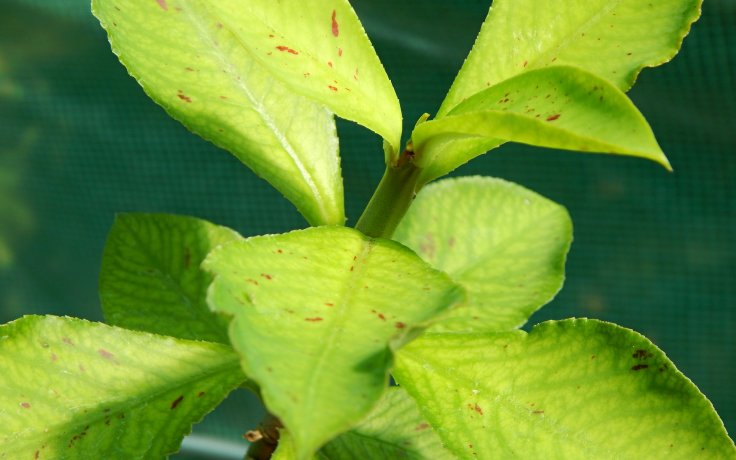
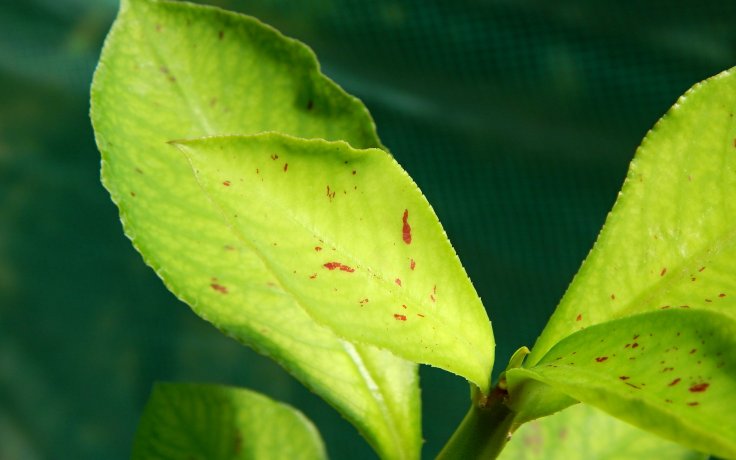
The leaves are large, fleshy, and predominantly green. A characteristic feature of this form is the presence of small dark red spots scattered across the leaf surface, while the overall appearance otherwise matches the typical form. Prominent veining adds subtle texture to the leaves. The plant has a semi-succulent habit, branches freely, and can grow as a shrub or small tree.
Flowers appear in winter or early spring in the form of small cyathia. They are inconspicuous and are not the main ornamental feature of the plant.
Euphorbia umbellata variegata requires a bright position and a well-draining, slightly moist substrate. Watering should be regular but without prolonged waterlogging. When damaged, the plant exudes a white latex sap that is mildly toxic, so contact with skin should be avoided. Thanks to its hardiness and distinctive leaf spotting, this form makes an interesting plant for bright indoor spaces or sheltered outdoor positions.