- Home
- Succulents
- Carruanthus
- Carruanthus peersii
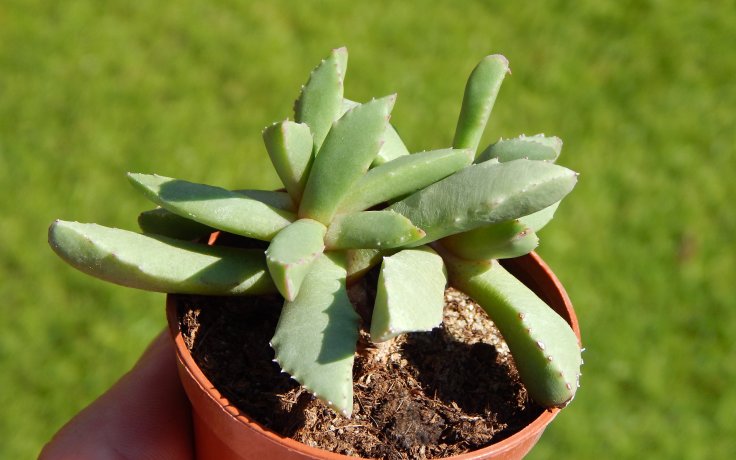
Carruanthus peersii
The plant likes a sunny habitat, but can tolerate partial shade.
Always water a few days after the substrate has dried out. In the winter, stop watering.
It can tolerate -1,1 °C in the short term. However, the plant is not hardy.
They tend to grow in any season as long as they have enough water and sunlight, and they rest during extreme temperatures. They can therefore have several growth cycles during the year, or none at all.
Carruanthus peersii originates from South Africa, from the area around Willowmore, which lies near the boundary between the Eastern Cape and Western Cape provinces. In nature, this species is common to locally abundant and typically grows on exposed cliff faces and rocky walls.
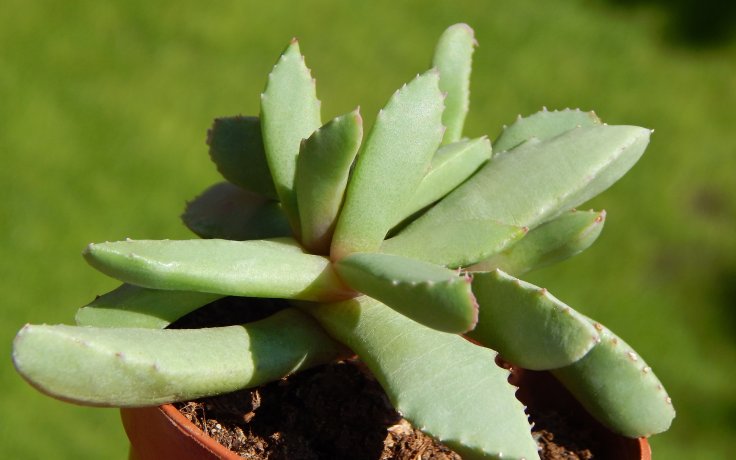
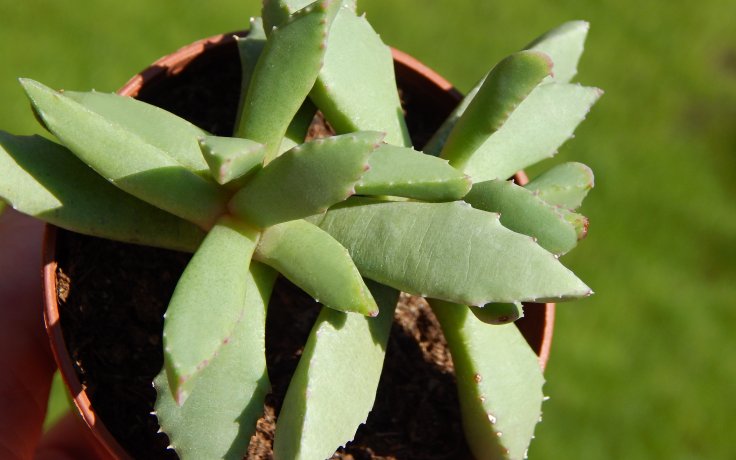
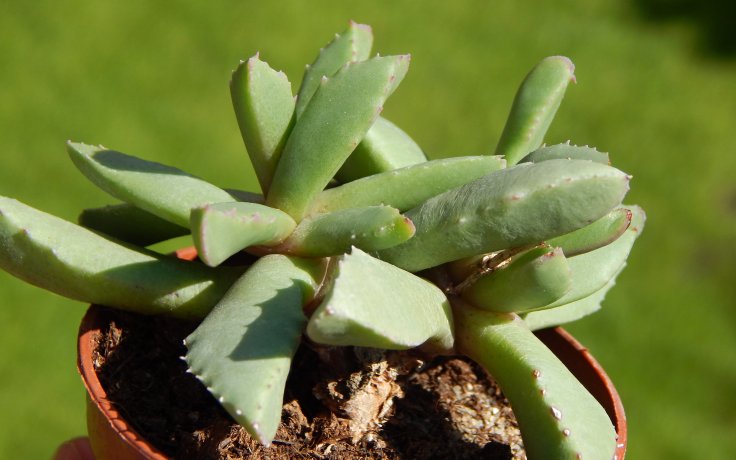
This succulent has fleshy, triangular leaves that are yellow-green to bluish silvery-green in color. The leaves are thick and succulent, resembling almost toothless “tiger jaws” similar to those of the genus Faucaria. The leaf margins are without teeth or bear only a few small ones. The plant has very short, branched stems and forms low, compact clumps that spread into mats up to about 10 cm in diameter.
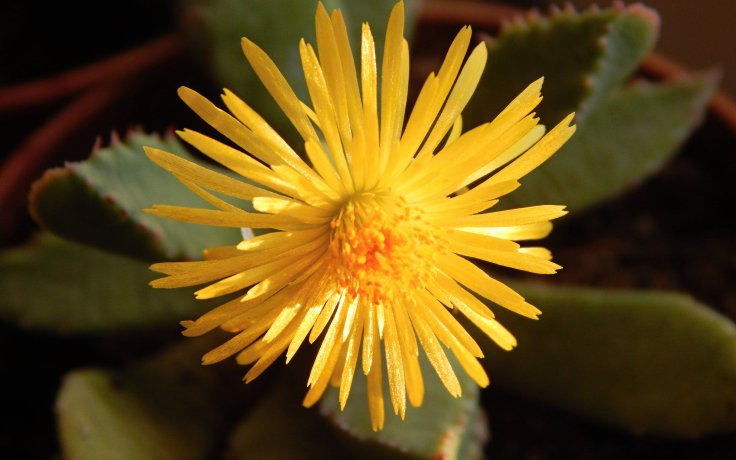
The flowers are yellow with yellow-orange tips on the petals. Individual petals can reach up to about 18 mm in length and around 2 mm in width. In its natural habitat, flowering usually occurs from September to December.
Carruanthus peersii is an undemanding succulent that does not require fertilizing. It tends to grow during any season when sufficient water is available under mild weather conditions and rests when temperatures are too hot or too low. As a result, it may have several growth cycles in a year or sometimes none at all. If you are looking for a low-growing, resilient species with a compact habit, this Carruanthus is a worthwhile addition to a collection.