- Home
- Succulents
- Aloe
- Aloe morijensis
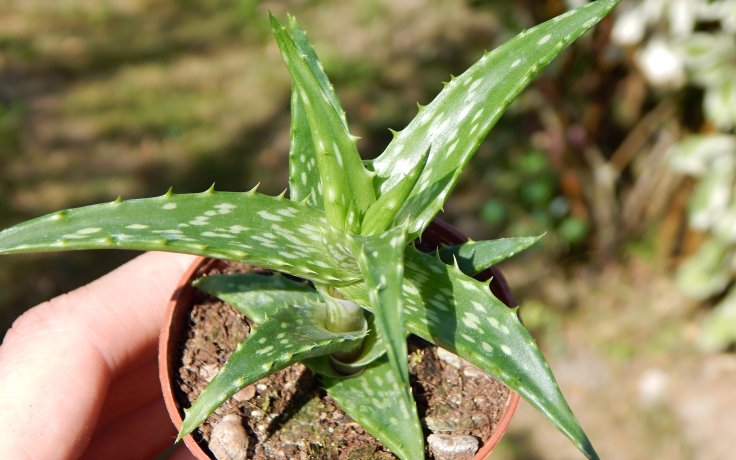
Aloe morijensis
Ideally, place in full sun or partial shade.
Always water a few days after the substrate has dried out. Reduce watering in winter.
It can tolerate temperatures as low as -2 °C for short periods. However, the plant is not frost-resistant.
The specific epithet morijensis refers to the species' location near Morijo in Kenya.
Aloe morijensis was described in 1979 by Susan Carter and Peter Edward Brandham. The species name morijensis refers to the occurrence of the plant near Morijo in Kenya. In the wild, it grows on rocky slopes in grassy shrubland at higher elevations around 2,500 metres above sea level.
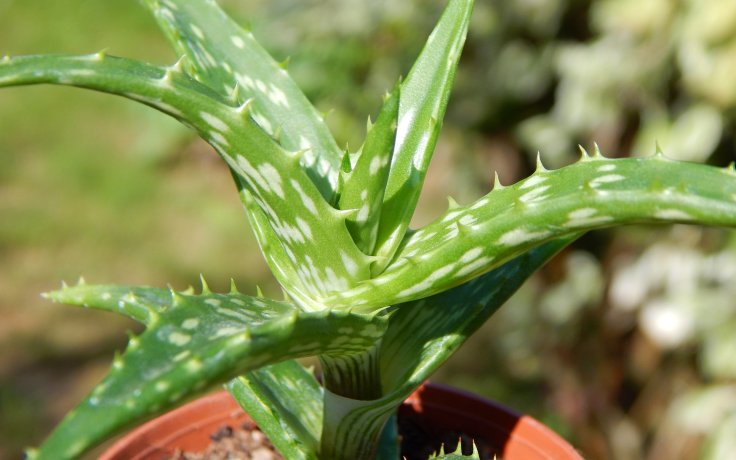
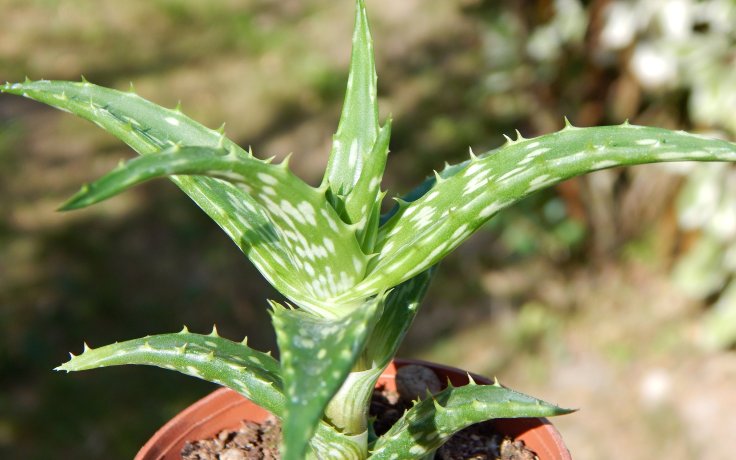
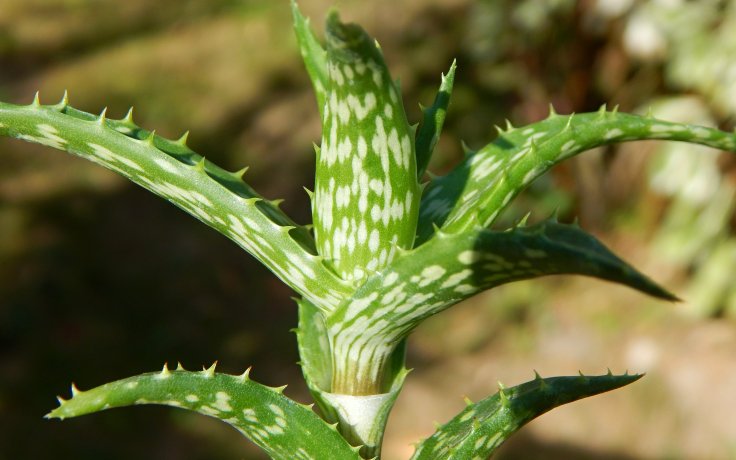
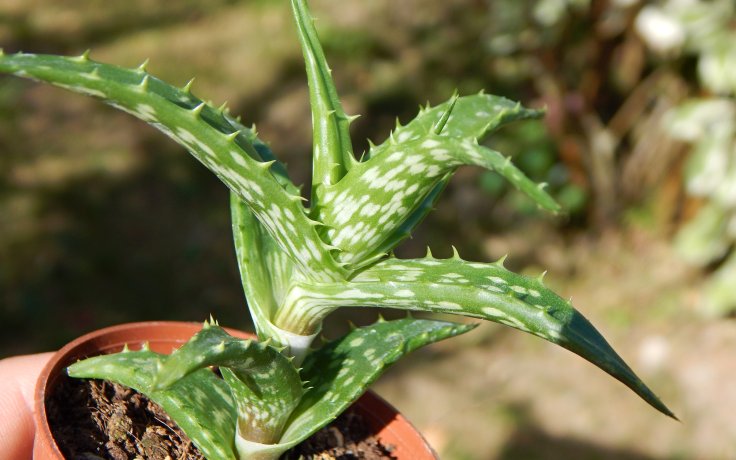
The leaves are bright green, with the leaf blade reaching up to about 17 cm in length and approximately 3 cm in width. A few elongated pale markings appear on the leaves, the surface is smooth, and the margins carry green to brownish teeth. The plant branches primarily from the base and gradually forms almost upright to spreading shoots, which can reach up to about 1 m in length and around 1.5 cm in thickness.
The flowers are yellow to orange. Under good conditions, Aloe morijensis may flower during different times of the year.
Aloe morijensis is best grown in the brightest possible position, in a well-draining substrate, and with restrained watering so the roots do not remain wet for long. Fertilising is not necessary, and the plant usually does well with a lean feeding regime. As the shoots elongate over time and may start to lean, it is best to give the plant enough space to spread naturally or gently guide the growth if needed. Aloe morijensis is a reliable choice for anyone looking for a less common aloe with a distinctive growth habit.